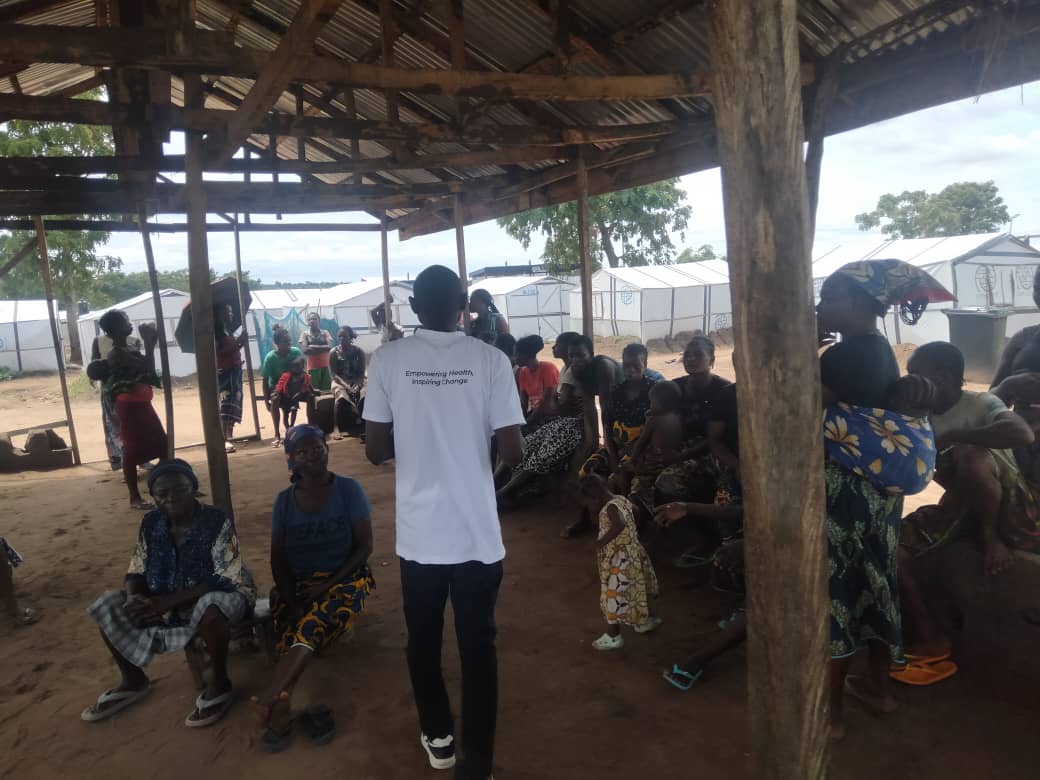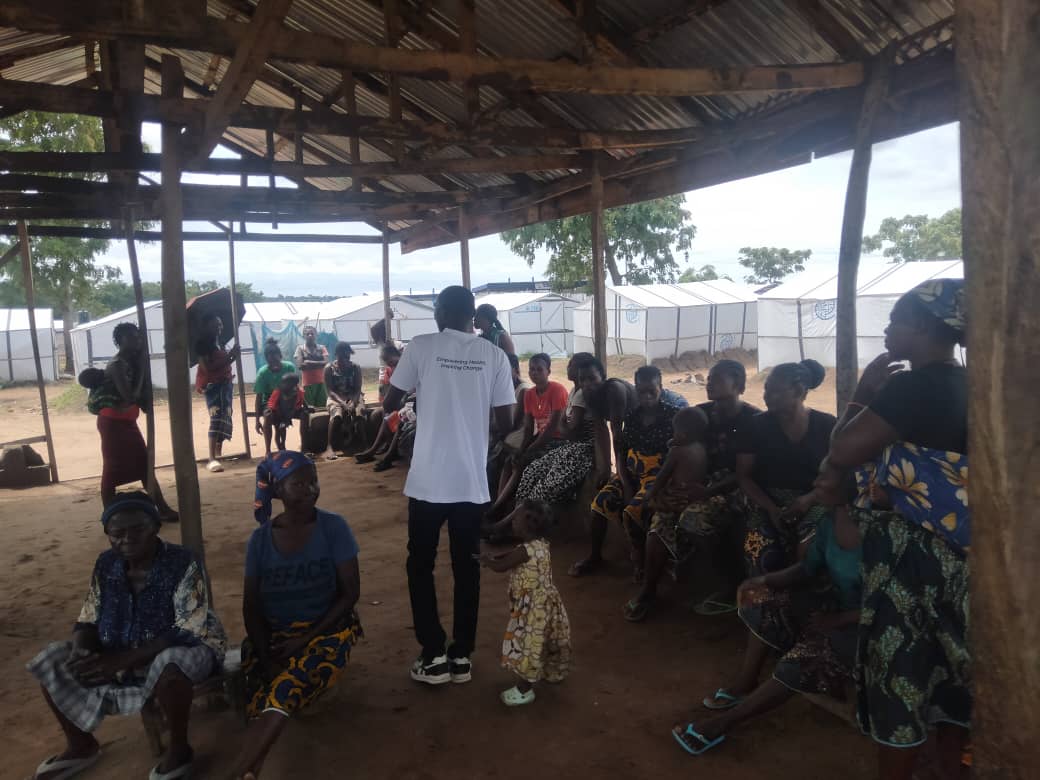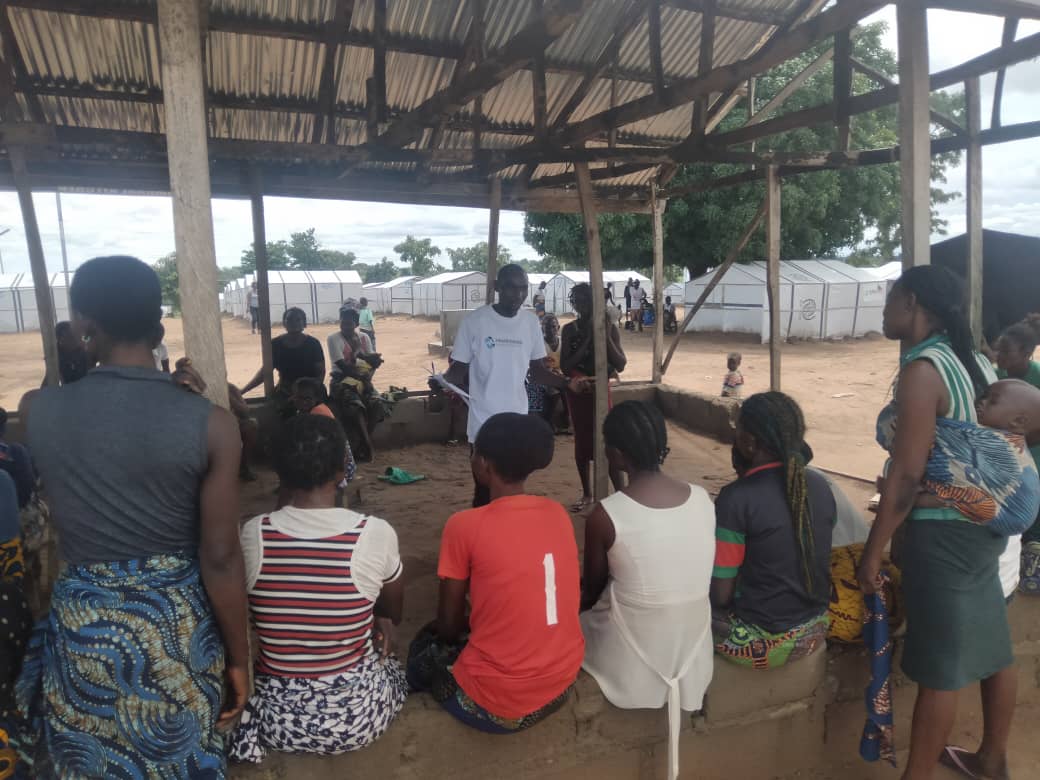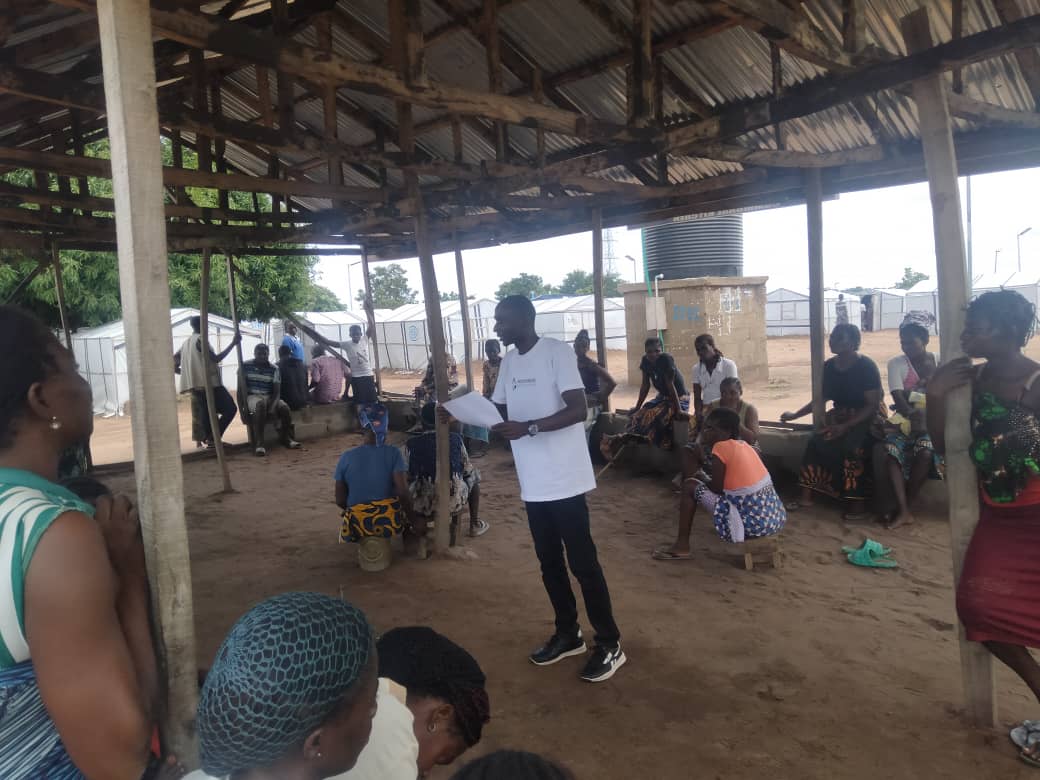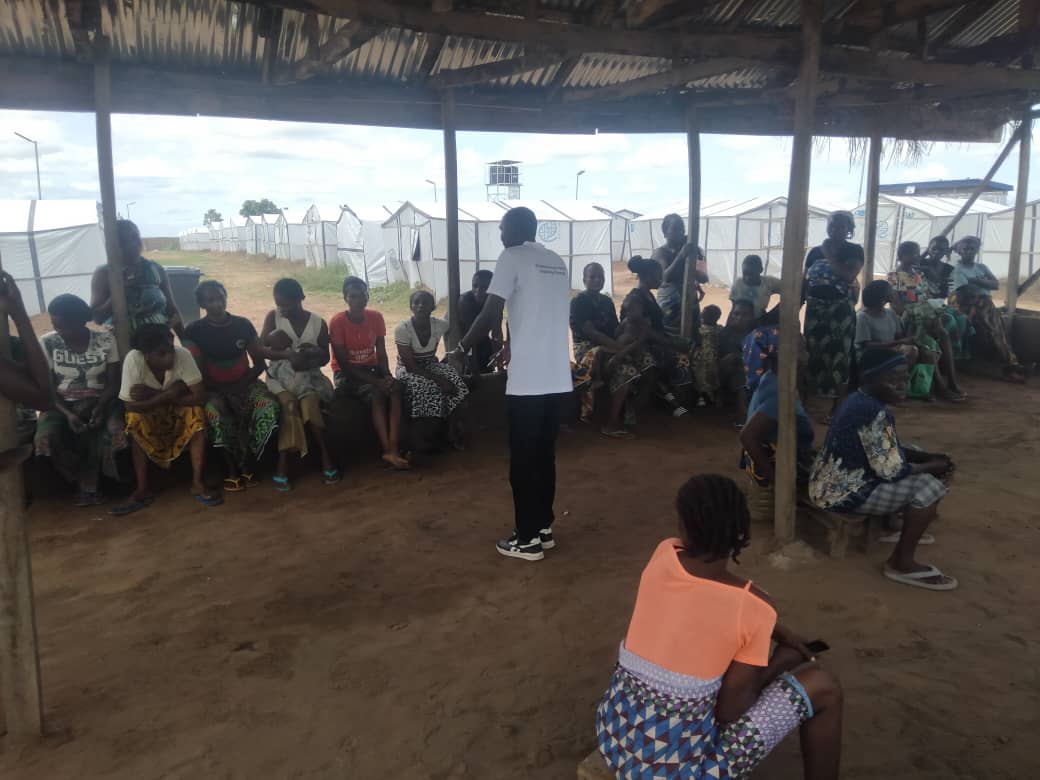

Location: IDP Camp, International Market, Makurdi, Benue State.
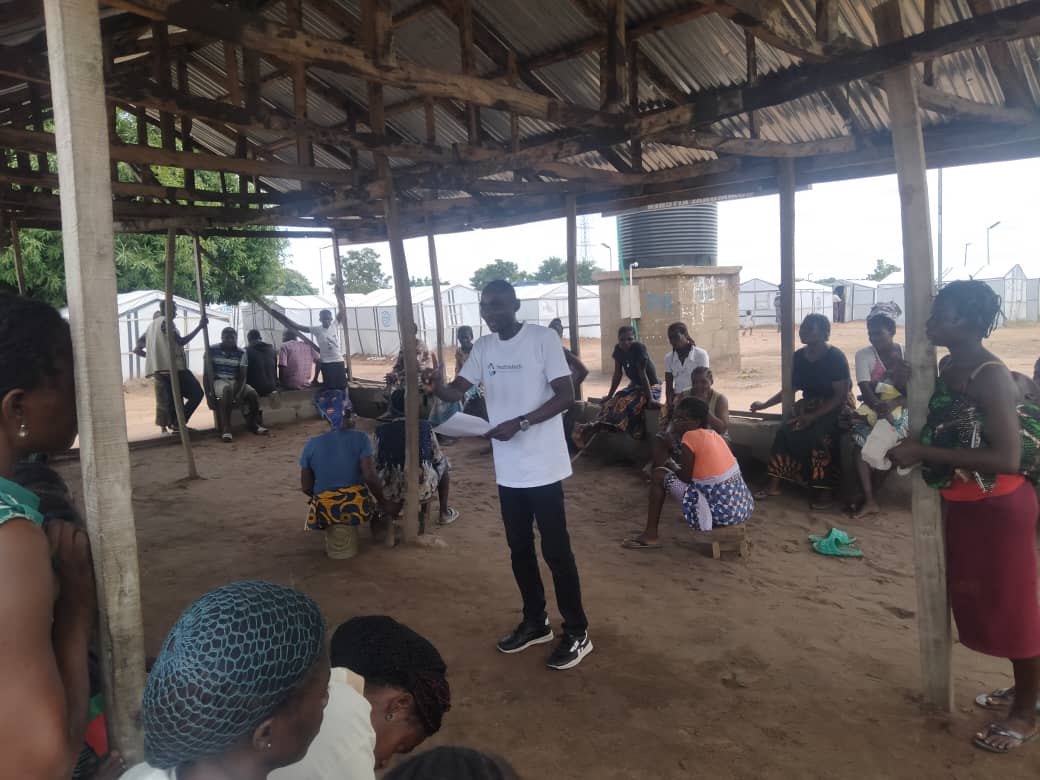
The key findings of the focus group discussion (FGD) conducted with 106 female IDPs in the Daudu IDP camp 1, Benue State, middle-belt, Nigeria, conducted on the 26th June 2025. The discussions were basically to assess their awareness and acceptance of Family Planning services, and to also gauge their knowledge on the use, source of family planning information and services, as well as reasons for use and non-use, including benefits of family planning. As a by-product, the consultations gave valuable insight into the underlying fears, barriers, and way forward of the IDPs with regard to accessibility.
A total of 106 participants (women and girls between the ages of 18 and above) across different blocks were identified and reached through FGD in Daudu Camp 1. This camp houses 1732 women, 1411 men, and 1792 children within the camp, with an increasing birth rate of 12 births per month. This activity clarified the target population's misconceptions about family planning, inadequate knowledge, poor service provision, male dominance, and intimate partner violence had negative effects on access to and use of family planning services and the need to push for acceptability to ensure a healthy living within the camp.
Quantitative data were collected on participants’ demographics, perceptions, attitude, use, and availability of family planning services. The questionnaire was developed in English, translated into the local language.
Qualitative data was collected using Focus Group Discussions (FGD). The Focus group discussion was conducted with women aged between 18–60 years. The FGD was conducted using a semi-structured topic guide. The topic guide addressed perceptions, attitudes, and factors related to family planning use amongst female IDPs. The FGD participants were randomly selected with the help of the camp leaders and purposefully selected. The group discussions were moderated by HMSI staff who spoke in the local language, TIV.
Key findings revealed a lower use of family planning services than the national average of 42%. The main sources of family planning information and services were public health facilities. The plausible reasons for the low use of family planning services were the fact that there was limited access to health facilities due to the absence of a health clinic within the camp and the distance of the public health facility to the camp. People have to go long distances to access healthcare, and the majority of health services (35.8%) are rendered by public health facilities.
Furthermore, several Non-Governmental Organizations (NGOs) have been operating in the camp but with a primary focus on food and Non-Food Items (NFIs) during and in the post-conflict periods, without critically looking into family planning programmes. In addition, a lack of proper sensitization has been responsible for the low uptake of family planning services by IDPs. However, the FGD revealed that there is a high willingness of IDPs towards family planning service uptake. This is attributed to the extensive sensitization and awareness creation campaign conducted by HMSI during the FGD.